Brand Packaging vs. Product Packaging: Key Differences Explained?
Every week, I receive packaging briefs that mix brand packaging and product packaging into one tangled document. The buyer thinks they're ordering "boxes." The factory sees conflicting requirements. The result? Sample rework, blown budgets, and missed launch dates. Understanding the difference between these two packaging layers isn't academic—it's the most practical thing you can do before you request a single quote.
Brand packaging and product packaging serve fundamentally different functions. Brand packaging carries your visual identity system—logo placement, color palette, unboxing experience—consistently across every SKU. Product packaging carries SKU-specific information: variant names, regulatory copy, ingredient lists, and shelf-level differentiation. They overlap on the same physical box, but they must be planned, briefed, and budgeted as separate line items.
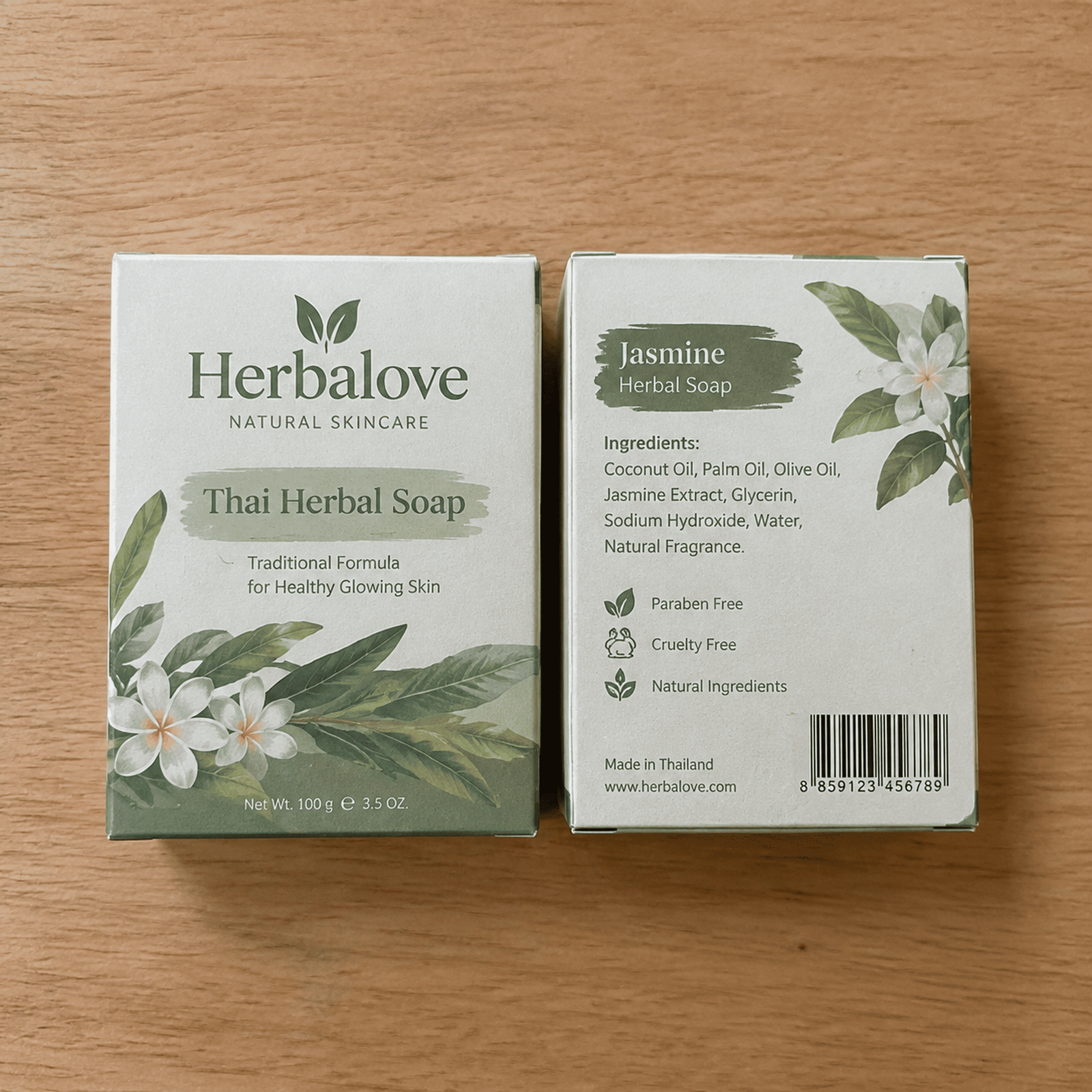
Most packaging problems I see don't start on the production floor. They start in the brief. Once you understand how these two layers interact—and where they diverge—you can structure smarter quotes, avoid unnecessary sample rounds, and protect your launch timeline. Let me walk you through exactly how.
Why Do Buyers Confuse Brand Packaging and Product Packaging?
The confusion is understandable. Both layers exist on the same physical package. A customer picks up your box and sees one thing. But behind the scenes, you're managing two separate systems—and treating them as one is where the trouble begins.
Brand packaging and product packaging get conflated because the end consumer never sees the boundary between them. Buyers naturally think in terms of "the box" or "the bag," not in terms of which elements stay constant across SKUs and which change. Without that distinction, a brief becomes a jumble of fixed identity elements and variable product details that a factory cannot efficiently separate.

The Combined-Brief Trap
In our experience helping brands plan their packaging, the single biggest source of wasted time and money is what I call the "combined-brief trap." Here's how it typically plays out:
- A buyer sends one artwork file per SKU, with brand elements (logo, color scheme, tagline) and product elements (flavor name, ingredient panel, barcode) merged into a single design.
- The factory receives five files for five SKUs. Each file looks completely different because the designer rebuilt the entire layout per variant.
- We quote five separate print plates, five separate die-cuts, and five separate sample rounds—even though 80% of the design is identical1 across all five SKUs.
- The buyer is shocked by the total cost and timeline. Revisions begin. Three sample rounds later, four weeks have evaporated.
I've seen this scenario play out dozens of times. One client—a DTC skincare brand launching six variants—sent us merged artwork files and expected production-ready samples in two weeks. Because we couldn't tell which elements were "fixed brand" versus "variable product," every revision cascaded across all six SKUs. The project took seven weeks instead of three. They nearly missed their retail launch window.
Why This Matters to Procurement
For procurement managers purchasing at scale, the combined-brief problem isn't just an inconvenience. It creates measurable financial consequences:
| Impact Area | Combined Brief | Separated Brief |
|---|---|---|
| Sample rounds | 3–5 per SKU | 1–2 per SKU |
| Print plate costs | Separate plate per SKU | Shared template plate + variant plates |
| Timeline to production | 6–8 weeks | 3–4 weeks |
| Artwork revision labor | High (every SKU affected) | Low (change only the variable layer) |
| Cost predictability | Poor | High |
The distinction between brand packaging and product packaging isn't a design philosophy debate. It's a procurement efficiency issue. When you separate the two layers before approaching a supplier, you give the factory clear instructions on what stays fixed and what varies—and that clarity translates directly into fewer samples, faster approvals, and lower costs.
What Exactly Is Brand Packaging?
Many buyers assume that putting a logo on a box qualifies as brand packaging. It doesn't. A logo is one element. Brand packaging is the entire system of visual and structural choices that make your packaging recognizable, consistent, and emotionally coherent across every product you sell.
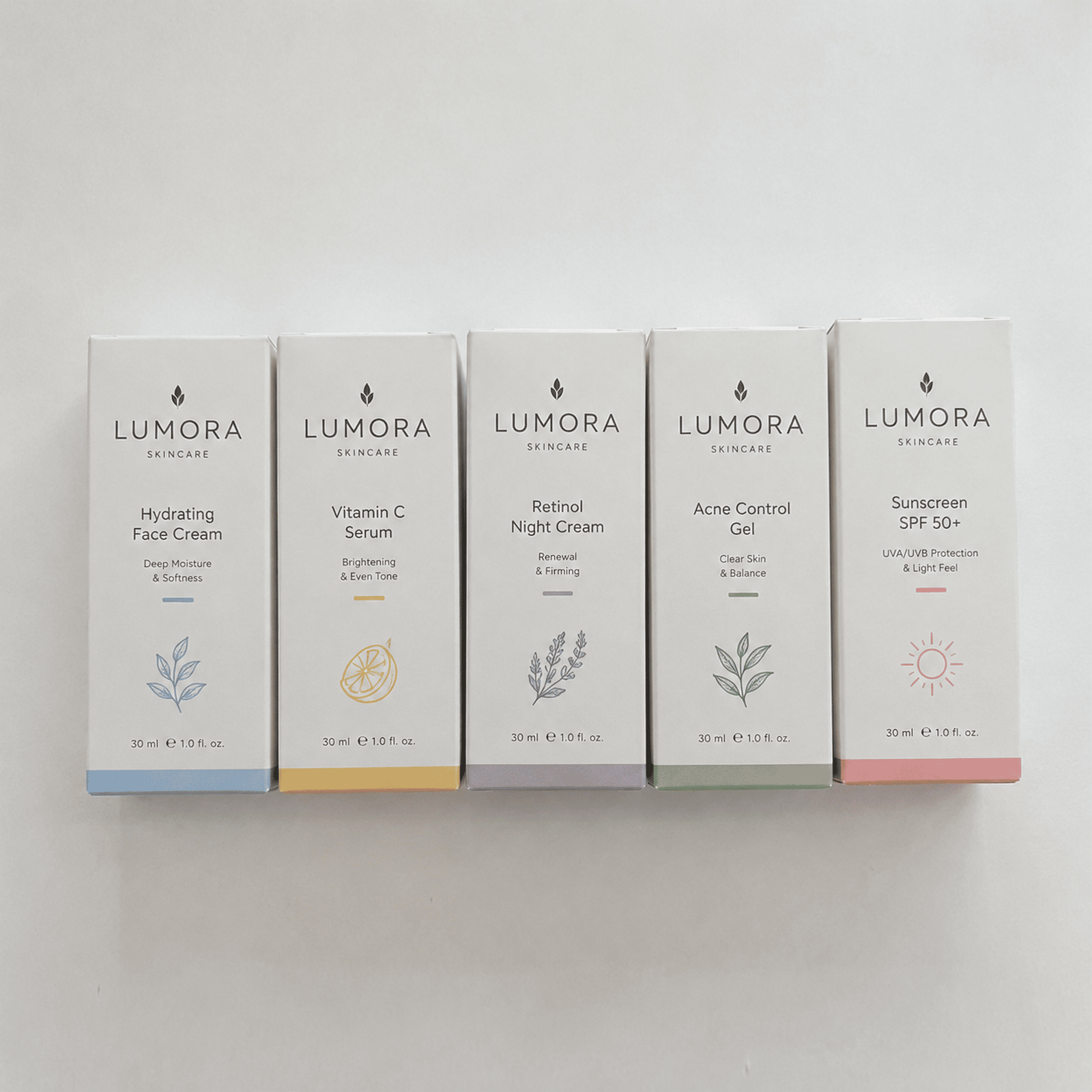
Brand packaging is the identity layer of your physical packaging. It encompasses your color palette, typography hierarchy, logo placement rules, structural format (box style, material, finish), and the unboxing experience2. Its job is to make every package feel like it came from the same family—regardless of what product is inside.
The Elements That Define Brand Packaging
From a production standpoint, brand packaging decisions have a specific characteristic: they stay constant across SKUs. That's the practical test. If an element doesn't change when you switch from Product A to Product B, it belongs in the brand layer.
Here's what we typically see in the brand packaging layer:
- Logo placement and size — fixed position, fixed proportions
- Primary color palette — Pantone-matched, consistent across all SKUs3
- Typography system — the same font families, weight hierarchies, and spacing rules
- Structural template — the same box dimensions, die-cut shape, or bag format
- Material and finish — the same paper stock, coating (matte lamination, soft-touch, spot UV), and weight
- Interior experience — tissue paper color, insert style, thank-you card format
- Brand tagline or messaging — if it appears on packaging, it's the same everywhere
Why Template Standardization Saves Money
This is where my production perspective matters most. When you define your brand packaging as a fixed template, you create enormous manufacturing efficiencies:
- One die-cut serves all SKUs (no per-SKU tooling charges)
- One set of brand-color print plates can be reused across variants
- Paper and material purchasing can be consolidated into larger orders, reducing per-unit cost
- Quality control becomes simpler because inspectors check against one brand standard, not multiple unique designs
I've seen brands reduce their per-unit packaging cost by 15–25%4 simply by locking in a standardized brand template before they start varying product-level details. The savings compound as you add SKUs. A brand with three products and three separate packaging designs pays for three complete production setups. The same brand with one brand template and three product overlays pays for one setup plus three minor plate variations.
Production insight: When we receive a well-defined brand template, we can often produce a new SKU's packaging in 5–7 days from artwork approval5. Without a template, the same job takes 14–21 days because every element needs individual verification.
What Exactly Is Product Packaging?
If brand packaging is about consistency, product packaging is about differentiation. It's the layer that tells the customer which specific item they're looking at—and provides the functional, regulatory, and commercial information that varies from SKU to SKU.
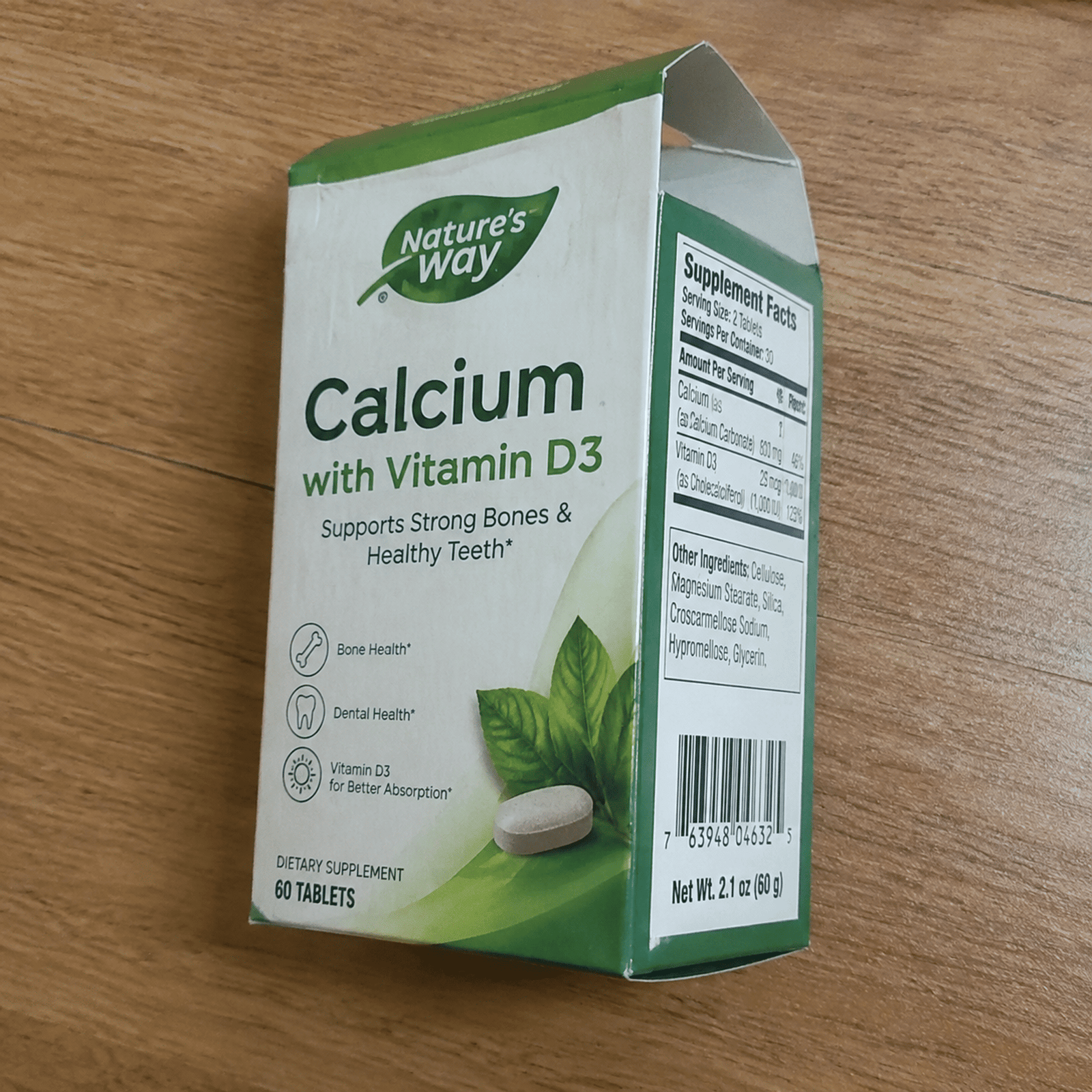
Product packaging is the variable layer that sits on top of your brand template. It includes the product name, variant descriptor (flavor, size, color), ingredient or material lists, regulatory markings, barcodes, batch codes, and any SKU-specific imagery. Its job is to differentiate one product from another within your brand family while meeting legal and retail requirements.
The Elements That Define Product Packaging
The practical test here is the inverse of brand packaging: if it changes when you switch SKUs, it belongs in the product layer. These elements require per-SKU artwork, and they're the ones that drive variant-specific production costs.
Common product packaging elements include:
- Product name and variant descriptor — "Lavender Body Lotion 250ml" vs. "Eucalyptus Body Lotion 250ml"
- SKU-specific imagery — product photography, ingredient illustrations, color-coding for variants
- Ingredient or material lists — legally required, different per formulation
- Regulatory copy — country-specific compliance text, warnings, certifications relevant to that product
- Barcodes and QR codes — unique per SKU
- Batch code and date areas — placement may be standard, but content varies
- Net weight or volume — changes per variant
- Retail-specific callouts — promotional stickers, limited-edition labels, seasonal messaging
Product Packaging Is Not "Less Important"
A common misconception I want to address directly: product packaging is not the "lesser" sibling of brand packaging. Both require thoughtful design investment. In many retail contexts, product packaging does heavier commercial lifting than brand packaging because it's responsible for shelf-level purchase decisions.
Consider two scenarios:
| Scenario | Brand Packaging Priority | Product Packaging Priority |
|---|---|---|
| DTC e-commerce (unboxing) | High — the box IS the first physical brand touchpoint | Moderate — variant info often handled by website, not box |
| Retail shelf (grocery, beauty) | Moderate — brand consistency matters but shelf space is limited | High — the package must sell itself in 3 seconds6 |
| Wholesale/distributor | Low to moderate — inner packaging may never be seen by end consumer | High — regulatory compliance and labeling accuracy are non-negotiable |
The point isn't that one layer matters more. The point is that they serve different jobs and must be evaluated on different criteria. When you treat product packaging as an afterthought—or worse, as just "the brand box with different text"—you create production headaches and miss commercial opportunities.
Regulatory Considerations
For buyers shipping to regulated markets (the US, EU, Australia), product packaging carries the compliance burden. Ingredient lists, allergen warnings7, country-of-origin markings8, and recycling symbols are all product-level elements that vary by SKU and by destination market. In our experience, regulatory copy is the most frequently revised element during sample approval9. Getting it wrong doesn't just cause rework—it can cause customs delays or forced relabeling at destination10, which is far more expensive.
How Should You Structure Your Packaging Brief and Budget?
This is the practical payoff. Once you understand that brand packaging and product packaging are separate systems, you can brief them separately—and your supplier can quote them accurately.
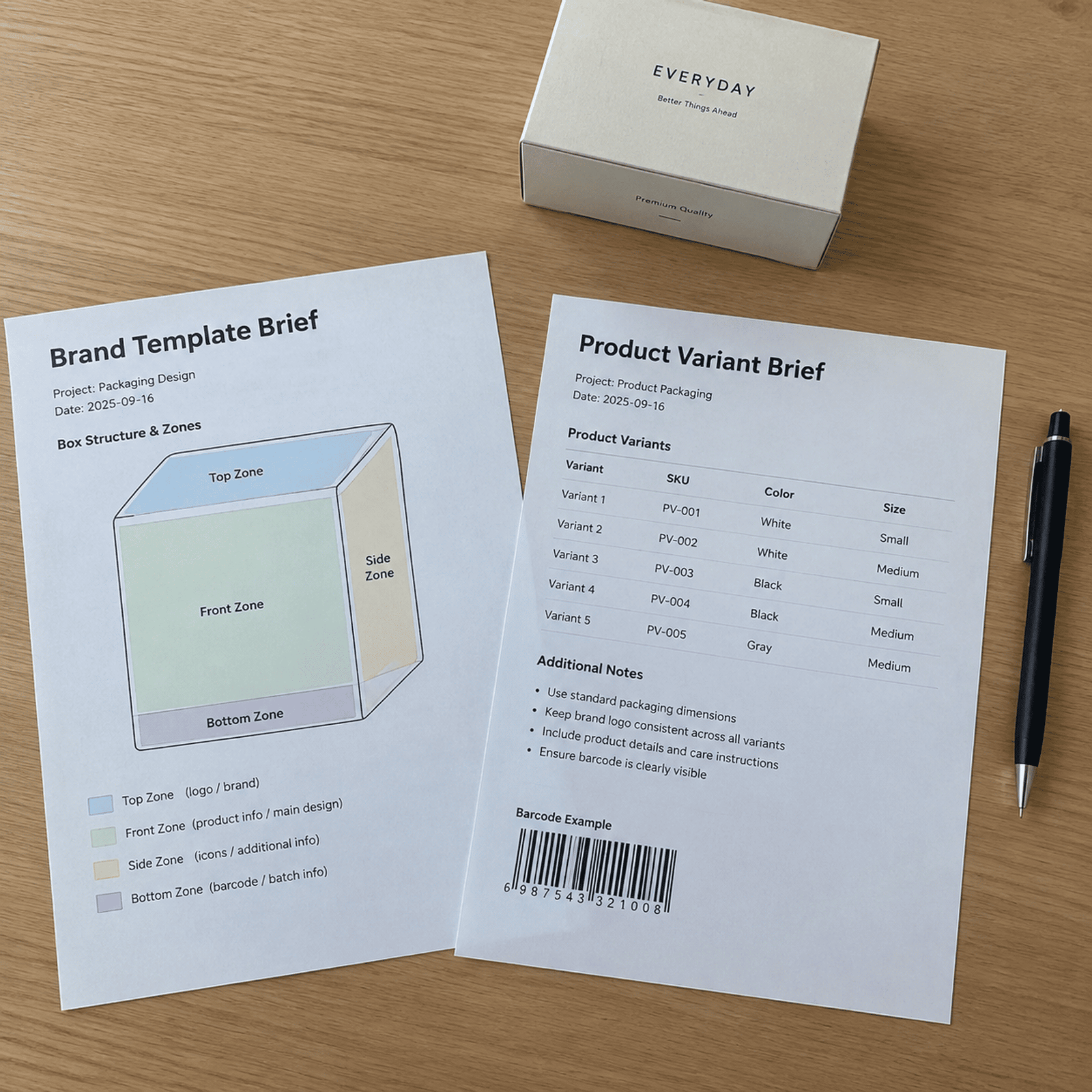
Structure your packaging brief as two documents: a Brand Template Brief that defines all fixed elements, and a Product Variant Brief for each SKU that defines only the variable elements. This approach gives your supplier clear production instructions, reduces sample iterations, and makes your budget transparent and controllable.
The Brand Template Brief
Your brand template brief should be finalized once and treated as a master reference. It should include:
- Structural specifications — box style (tuck-end, rigid, mailer), dimensions, paper stock, weight, finish
- Brand visual standards — logo files (vector), Pantone color references, typography specifications, minimum logo clear space
- Layout zones — a diagram showing which areas of the box are reserved for brand elements and which zones are available for product-variable content
- Unboxing elements — interior print, tissue, inserts, closures
- Material and certification requirements — FSC-certified paper, recycled content percentages11, or other material standards relevant to your brand commitments
This document doesn't change when you add a new SKU. It's your packaging constitution. When we receive a well-prepared brand template brief, we can set up die-cuts, plate base layers, and material orders immediately—before product-variant artwork is even finalized.
The Product Variant Brief
For each SKU, prepare a concise variant brief that specifies only what differs from the brand template:
- Product name and variant text — exact copy, proofread, in final form
- Regulatory copy — destination-market-specific, legally verified
- Barcode/QR code files — print-ready, verified for scannability
- Variant-specific imagery — if applicable
- Color-coding — if your brand system uses color differentiation for variants (e.g., green for mint, purple for lavender)
Budgeting Brand vs. Product Packaging
This two-layer approach transforms your packaging budget from a single opaque line item into a transparent, manageable structure:
| Cost Category | Brand Template (One-Time/Annual) | Product Variant (Per SKU) |
|---|---|---|
| Die-cut tooling | ✅ Paid once, shared across SKUs | ❌ Not needed if template is shared |
| Base print plates | ✅ Paid once | ❌ Not needed |
| Variant print plates | — | ✅ Paid per SKU (smaller, cheaper) |
| Material procurement | ✅ Bulk order for unified stock | — |
| Artwork/design | ✅ Template design (higher upfront) | ✅ Variant adaptation (lower per SKU) |
| Sample rounds | ✅ 1–2 rounds for template approval | ✅ 1 round per variant (fast, template-based) |
By separating these costs, you can forecast accurately what it costs to add a new SKU—which is typically 60–70% cheaper than the first SKU because the brand infrastructure is already paid for.
Practical tip from our production floor: When a buyer sends us a brand template brief alongside three variant briefs, we can usually deliver all three production-ready samples in a single round. When the same buyer sends three "complete" but inconsistent artwork files, we often need two to three rounds per SKU just to reconcile the differences.
When Should You Unify and When Should You Differentiate?
Knowing the brand-product distinction is one thing. Applying it—deciding which elements to lock down and which to leave open—requires a practical framework that accounts for your channel, your SKU count, and your growth plans.
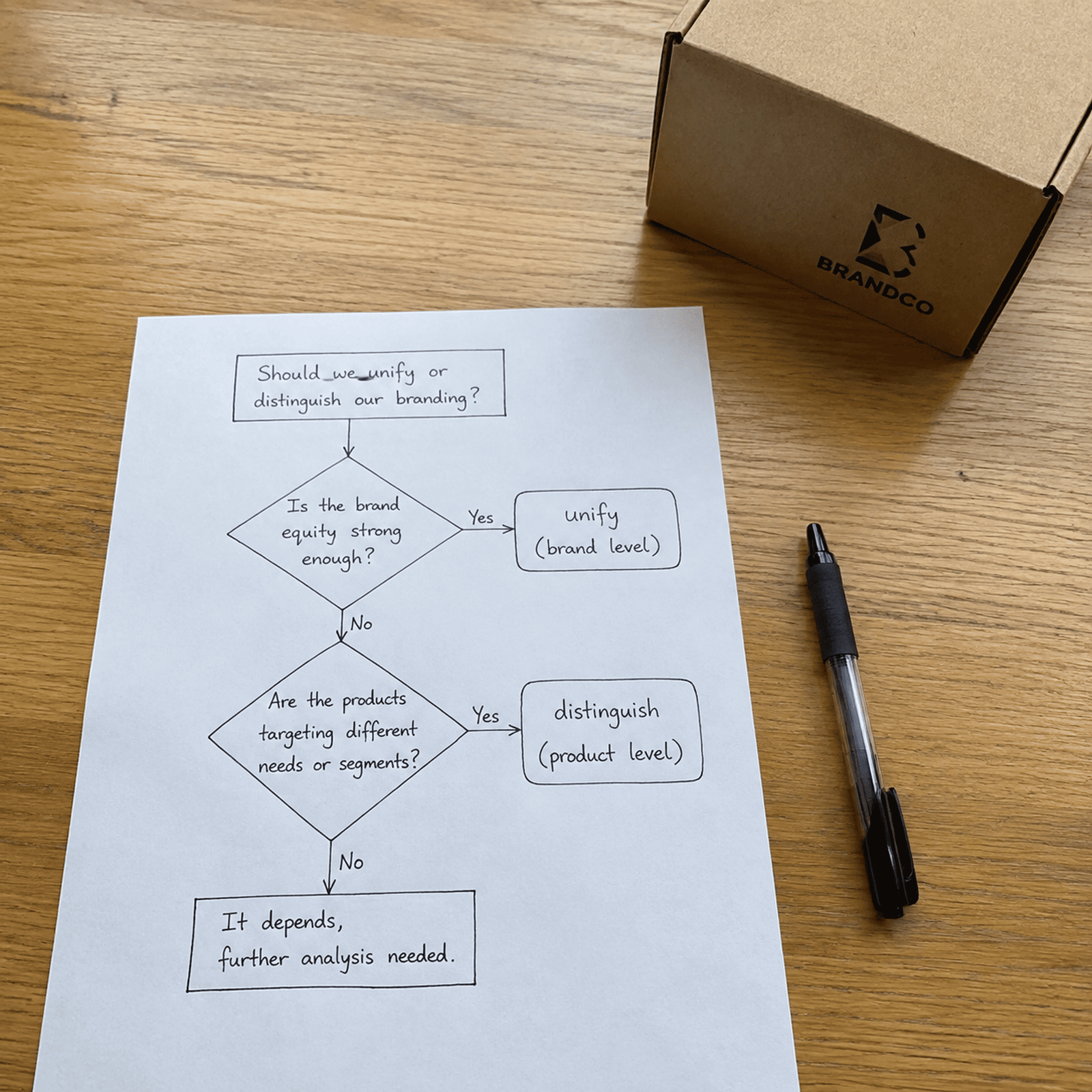
Unify everything that reinforces recognition and drives production efficiency. Differentiate everything that helps the customer choose the right variant and meets regulatory requirements. When in doubt, ask: "Does this element change when I add a new SKU?" If yes, it belongs in the product layer. If no, lock it into the brand template.
A Decision Checklist
Before you finalize your packaging plan, run each element through this checklist:
Unify (Brand Layer) if the element:
- ✅ Should look identical on every product you sell
- ✅ Contributes to brand recognition across channels
- ✅ Benefits from shared tooling or print plates
- ✅ Rarely or never changes between SKUs
- ✅ Defines the customer's unboxing or shelf impression before they identify the specific product
Differentiate (Product Layer) if the element:
- ✅ Must change per SKU, variant, or market
- ✅ Carries legally required information
- ✅ Helps the customer distinguish between your products
- ✅ May need updating without changing the rest of the package (e.g., reformulation, new barcode)
- ✅ Is subject to market-specific regulatory review
Common Mistakes in the Unify/Differentiate Decision
Based on what we've seen across hundreds of packaging orders, here are the most frequent missteps:
-
Over-customizing the brand layer. Some buyers want a completely unique box shape for each product. This kills production efficiency and makes brand recognition harder, not easier. Unless you have a strong strategic reason, standardize your box structure.
-
Under-differentiating the product layer. On the other end, some buyers use such subtle variant distinctions (a tiny color stripe, a small text change) that customers confuse products. This isn't a production problem—it's a commercial one—but it shows up in our sample review conversations frequently.
-
Putting regulatory copy in the brand template. Regulations change. Formulations change. Markets have different requirements. Regulatory text should always live in the product layer so it can be updated per SKU without reprinting the entire template.
-
Ignoring future SKUs. If you plan to launch additional variants in six months, design your brand template with designated "variable zones" now. Retroactively adding space for new product information often requires a full template redesign—and a new die-cut.
Frequently Asked Questions
Can brand packaging and product packaging exist on the same box?
Yes—they almost always do. The brand layer (logo, color palette, structural format) and the product layer (variant name, ingredients, barcode) coexist on the same physical package. The key is to design and brief them as separate systems so your supplier can manage fixed and variable elements efficiently.
Does separating brand and product packaging increase costs?
No. In most cases, it reduces total costs. A unified brand template means shared die-cuts, shared base plates, and consolidated material orders. Product-variant elements require smaller, less expensive plate changes. The upfront planning investment pays for itself by the second or third SKU.
Should I finalize my brand template before designing product packaging?
Absolutely. Your brand template is the foundation. Finalizing it first allows your supplier to set up tooling and materials while you complete variant
"The Impact of Visual Elements of Packaging Design on ... - PMC", https://pmc.ncbi.nlm.nih.gov/articles/PMC11851823/. Industry analyses of multi-SKU packaging programs suggest that standardized brand elements (logo, color system, structural format) typically constitute the majority of a package's visual real estate, though exact percentages vary by product category and brand strategy. Evidence role: statistic; source type: research. Supports: The proportion of packaging design elements that remain constant across SKUs within a single brand family. Scope note: Exact percentages will vary significantly by industry, brand, and product line; a single universal figure may not exist in published literature. ↩
"The impact of characteristic factors of the direct-to-consumer ...", https://pmc.ncbi.nlm.nih.gov/articles/PMC10944917/. Consumer behavior research has found that packaging design and the unboxing experience influence perceived product quality, brand attitude, and purchase satisfaction, with tactile and visual elements of packaging serving as important cues in the absence of in-store product interaction. Evidence role: general_support; source type: paper. Supports: That the unboxing experience significantly influences brand perception and customer satisfaction in direct-to-consumer commerce. Scope note: Most published studies focus on specific product categories or demographics; the magnitude of the unboxing effect varies by market segment and price point. ↩
"Pantone", https://en.wikipedia.org/wiki/Pantone. The Pantone Matching System (PMS) is a proprietary color standardization system widely used in printing and packaging production, assigning unique numerical identifiers to colors so that different manufacturers and print runs can reproduce the same hue with high fidelity. Evidence role: definition; source type: encyclopedia. Supports: That the Pantone Matching System is the industry standard for specifying and reproducing consistent colors in packaging printing. ↩
"Cost Savings with Reusable Packaging", https://reusables.org/reusable-packaging/cost-savings/. Research on packaging production economics indicates that tooling consolidation and shared print plates can yield significant per-unit cost reductions, particularly as SKU counts increase, though the magnitude depends on order volumes, materials, and print methods. Evidence role: statistic; source type: research. Supports: Quantified cost savings from standardizing packaging templates across multiple SKUs. Scope note: The 15–25% range appears to be based on the author's operational experience rather than a controlled study; published benchmarks may report different ranges depending on industry segment. ↩
"Turn Around Time (TAT) as a Benchmark of Laboratory ... - PMC", https://pmc.ncbi.nlm.nih.gov/articles/PMC2994570/. Packaging industry sources indicate that production lead times for custom printed packaging vary widely based on complexity, print method, and order volume, but pre-established tooling and approved templates can significantly reduce turnaround compared to first-run production setups. Evidence role: general_support; source type: research. Supports: Typical production lead times for custom packaging when tooling and templates are pre-established. Scope note: The 5–7 day figure likely reflects the author's specific factory capabilities and may not be representative of all packaging suppliers or all packaging types. ↩
"Exploring Shopper's Browsing Behavior and Attention Level ...", https://pmc.ncbi.nlm.nih.gov/articles/PMC6895988/. Eye-tracking studies in retail environments have found that consumers typically spend only a few seconds evaluating individual products on shelf, with some research indicating average fixation times of 3–7 seconds per item depending on category and shelf placement. Evidence role: statistic; source type: paper. Supports: The average time a consumer spends evaluating a product on a retail shelf before making a purchase decision. Scope note: Exact attention durations vary by product category, store format, and study methodology; the 3-second figure is a commonly cited approximation rather than a universal constant. ↩
"Food Allergen Labeling and Consumer Protection Act of ...", https://www.fda.gov/food/food-allergensgluten-free-guidance-documents-regulatory-information/food-allergen-labeling-and-consumer-protection-act-2004-falcpa. In the United States, the Food Allergen Labeling and Consumer Protection Act (FALCPA) of 2004 requires that packaging for foods regulated by the FDA declare the presence of any major food allergens; in the European Union, Regulation (EU) No 1169/2011 mandates that allergens be emphasized in the ingredients list on product labels. Evidence role: mechanism; source type: government. Supports: That allergen labeling on product packaging is mandated by law in major consumer markets. Scope note: The list of regulated allergens and specific labeling formats differ between jurisdictions; the article's reference is general and does not address any single regulatory regime in detail. ↩
"Marking of Country of Origin on U.S. Imports", https://www.cbp.gov/trade/rulings/informed-compliance-publications/marking-country-origin-us-imports. U.S. Customs and Border Protection requires that every article of foreign origin imported into the United States be marked with its country of origin in accordance with 19 U.S.C. § 1304; the European Union similarly mandates origin marking for certain product categories under Regulation (EU) No 952/2013 (Union Customs Code). Evidence role: mechanism; source type: government. Supports: That country-of-origin marking is a legal requirement for imported goods in major markets. Scope note: Specific marking requirements vary by product category, trade agreement provisions, and destination country; not all products are subject to identical rules. ↩
"proposed regulation text", https://www2.calrecycle.ca.gov/Docs/Web/138004. Packaging industry surveys and quality management analyses have identified regulatory and compliance copy—including ingredient lists, allergen declarations, and market-specific labeling requirements—as a frequent source of artwork revisions, driven by evolving regulations and multi-market complexity. Evidence role: general_support; source type: research. Supports: That regulatory and compliance text is a leading source of revisions and errors in packaging artwork approval processes. Scope note: The claim that regulatory copy is the single most frequently revised element may reflect the author's specific client base (international shipments to regulated markets) rather than a universal finding. ↩
"Import Alert 99-39 - accessdata.fda.gov", https://www.accessdata.fda.gov/cms_ia/importalert_1144.html. The U.S. FDA's import refusal database documents cases where products are detained at port of entry due to labeling violations, including missing or incorrect ingredient declarations, allergen warnings, and country-of-origin markings; similarly, EU Regulation 1169/2011 mandates specific food labeling requirements enforceable at customs. Evidence role: case_reference; source type: government. Supports: That non-compliant product labeling can result in customs holds, import refusals, or mandatory relabeling. Scope note: Enforcement severity and frequency vary by product category, destination country, and the specific nature of the labeling deficiency. ↩
"Forest Stewardship Council", https://en.wikipedia.org/wiki/Forest_Stewardship_Council. The Forest Stewardship Council (FSC) is an international non-profit organization that sets standards for responsible forest management; FSC chain-of-custody certification tracks certified materials through the supply chain, enabling packaging producers to verify and label their products as sourced from responsibly managed forests. Evidence role: definition; source type: encyclopedia. Supports: What FSC certification means in the context of paper and packaging materials. ↩